

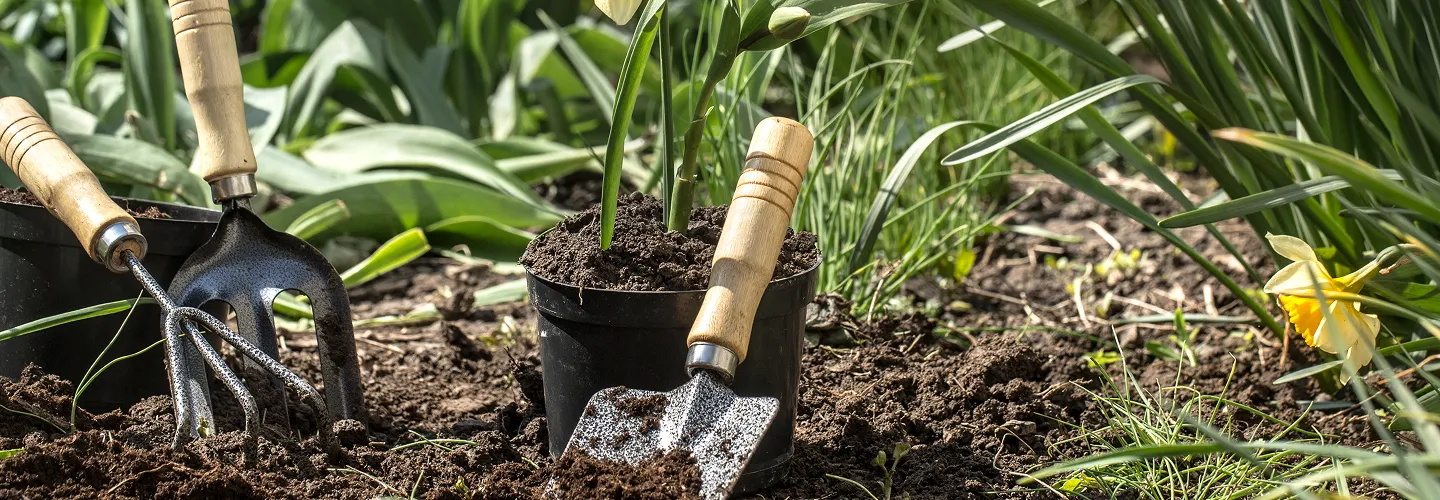
Maynard Flower Planting Services
Choose our Flower Planting services for vibrant, expertly arranged blooms that enhance your curb appeal and thrive all season long—crafted with care by local professionals who understand your landscape.
Get a Free QuoteWhen to Schedule Flower Planting in Maynard, Massachusetts – Seasonal Guide
Flower planting in Maynard, Massachusetts is best scheduled with careful attention to the region’s unique climate and landscape. The optimal window typically falls between late April and early June, after the last frost has passed and the soil has warmed sufficiently for root development. Maynard’s proximity to the Assabet River and neighborhoods like Glenwood and Presidential Estates means microclimates can vary, so it’s important to monitor local conditions closely.
Factors such as late spring frosts, variable humidity, and the town’s mix of shaded and sun-exposed yards all play a role in determining the best planting times. Soil in Maynard often ranges from sandy loam to clay, affecting drainage and nutrient availability. For up-to-date local weather and environmental information, residents can consult the Town of Sudbury’s resources, which often provide relevant updates for the greater Maynard area.
Local Factors to Consider for Flower Planting in Maynard
- Proximity to wooded areas or tree density (e.g., near Summer Hill Reservation)
- Soil type and drainage, especially in low-lying neighborhoods
- Average last frost date (typically late April to early May)
- Precipitation patterns and drought risk during late spring
- Shade coverage from mature trees or nearby structures
- Municipal watering restrictions or landscaping guidelines
Benefits of Flower Planting in Maynard
Expert Local Knowledge
Seasonal Plant Selection
Enhanced Curb Appeal
Eco-Friendly Landscaping
Professional Maintenance
Customized Garden Designs
Maynard Flower Planting Types

Perennial Flower Beds
-
Annual Flower Displays
-
Native Wildflower Gardens
-
Shade Garden Plantings
-
Pollinator-Friendly Plantings
-
Seasonal Bulb Planting
-
Container Flower Arrangements
Our Flower Planting Process
Site Evaluation
Soil Preparation
Plant Selection
Careful Planting
Watering and Mulching
Why Choose Maynard Landscape Services
-
Maynard Homeowners Trust Us
-
Expert Lawn Maintenance
-
Reliable Seasonal Cleanups
-
Competitive Pricing
-
Professional Team
-
Satisfaction Guarantee
-
Personalized Service
Contact Maynard’s Department of Public Works for Garden Material Disposal & Composting Program Integration
Proper garden material disposal in Maynard is essential for environmental stewardship and compliance with local and state regulations. Residents must separate packaging materials such as cardboard and plant containers for recycling, while unused soil and amendments should be disposed of through residential waste channels. Plant debris, including leaves and stems, is accepted as seasonal yard waste from April through November, provided it is placed in biodegradable bags—plastic bags are prohibited per MassDEP guidelines. Coordination with local volunteer garden programs, the Master Gardener network, and community beautification initiatives is encouraged to maximize resource recovery and composting. For detailed guidance on disposal schedules and composting integration, contact:
Maynard Department of Public Works
195 Main Street, Maynard, MA 01754
Phone: (978) 897-1317
Official Website: Maynard Department of Public Works
Comprehensive Soil Assessment & Amendment Protocols for Maynard’s Glacial Till
A thorough soil assessment is the foundation of successful horticulture in Maynard, where glacial till soils predominate. All new garden sites should undergo laboratory analysis through the UMass Soil & Plant Nutrient Testing Lab, evaluating pH, NPK, organic matter, and micronutrients. Maynard’s soils are typically acidic (pH 5.5–6.5), while most flowering plants thrive at pH 6.0–7.0; dolomitic lime is recommended to raise pH and supply magnesium. Amendments should include 2–4 inches of compost tilled to a depth of 8–10 inches, targeting 5–8% organic matter. Site evaluation must consider drainage (clay/silt content), microclimate, and existing vegetation. Baseline conditions should be documented for future reference.
Massachusetts Conservation Commission Requirements for Flower Planting Near Protected Areas & Water Resources
Garden projects near wetlands, streams, or other protected resources in Maynard must comply with the Wetlands Protection Act (M.G.L. c. 131, § 40), which establishes 25–50 foot buffer zones. Activities within these areas require a Request for Determination of Applicability (RDA) or Notice of Intent (NOI) permit. Erosion control measures such as silt fencing, straw bales, and mulching are mandatory to prevent sediment runoff. Coordination with the MA Division of Fisheries & Wildlife is necessary if rare species or sensitive habitats are present. No work should occur during bird nesting season (March 15–August 31) in designated areas. For permitting and compliance, contact:
Maynard Conservation Commission
195 Main Street, Maynard, MA 01754
Phone: (978) 897-1360
Official Website: Maynard Conservation Commission
Professional Plant Selection Standards & Native Species Prioritization for Maynard’s Climate Zone 6a
Plant selection in Maynard should prioritize native species adapted to USDA Zone 6a, supporting both horticultural success and ecological health. Recommended natives include Rudbeckia (black-eyed Susan), Echinacea (coneflower), Aster spp. (New England aster), Monarda (bee balm), and Asclepias (milkweed). Selection criteria must account for site-specific sun, shade, and moisture conditions, as well as salt tolerance in areas exposed to winter road treatments. Disease resistance and seasonal succession (spring through fall bloom) are essential for sustainable plantings. Avoid all species listed by the MA Invasive Plant Advisory Group to protect local ecosystems.
Professional Installation Standards, Planting Techniques & Quality Assurance in Maynard
All garden installations should be performed by professionals holding a Massachusetts Certified Landscape Professional credential when possible. Proper planting technique requires setting the plant crown at soil level, spacing plants according to mature size, and backfilling with a blend of native and amended soil. Initial watering should deliver 1 inch of water to settle roots, followed by a 2–3 inch mulch layer (keeping mulch 3 inches from plant crowns to prevent rot). Avoid the “mulch volcano” effect. Only nursery-grown, disease-free, and properly hardened-off plants should be used. A one-year warranty is standard for professional installations, ensuring quality and plant establishment.
Seasonal Planting Calendar & Weather Coordination for Maynard’s New England Climate
Maynard’s primary planting window is spring (April–May), when soils are workable but not waterlogged. Late frosts are possible, so monitor forecasts from the National Weather Service Boston/Norton or Albany. Fall planting (September–early October) is ideal for perennials, allowing root establishment before winter; avoid planting less than six weeks before the expected hard freeze. Summer planting is discouraged except for container-grown plants, which require intensive watering. Nor’easters and freeze-thaw cycles present unique challenges, so plan accordingly to protect new plantings from weather extremes.
Water Management Guidelines & Irrigation Coordination with Maynard Water Department
Efficient water management is critical for sustainable gardens in Maynard. All irrigation systems must be coordinated with the local water utility and include backflow prevention devices as required by MA 248 CMR 3.00. Drip irrigation is preferred, offering 30–50% greater efficiency than overhead systems, and rain sensors are mandatory to prevent overwatering. Seasonal water restrictions, especially during summer droughts, are common; watering should occur in the early morning (5:00–9:00 AM) to minimize evaporation. Newly installed plants require deep watering 2–3 times per week for 3–4 weeks. For water service and irrigation guidelines, contact:
Maynard Water & Sewer Division
195 Main Street, Maynard, MA 01754
Phone: (978) 897-1317
Official Website: Maynard Water & Sewer Division
Pollinator Protection & Native Plant Habitat Creation in Maynard
Protecting pollinators is a key objective in Maynard’s horticultural planning. Gardens should feature native plants such as milkweed (Monarch butterfly host), coneflower, aster, goldenrod, and bee balm, ensuring a continuous sequence of blooms from spring through fall. Avoid pesticide applications during bloom periods and do not use neonicotinoids, which are harmful to pollinators. Habitat creation should include larval host plants and avoid double-petal cultivars, which offer less pollen. Collaboration with organizations like Massachusetts Audubon and participation in pollinator initiatives are strongly encouraged to enhance local biodiversity.
Post-Planting Care, IPM Integration & Long-Term Garden Management in Maynard
The establishment period for new plantings in Maynard requires intensive care for 3–4 weeks, with daily monitoring for water needs and pest issues. Integrated Pest Management (IPM) should follow a hierarchy: cultural controls (mulching, proper spacing), mechanical methods (handpicking pests), biological controls (introducing beneficial insects), and chemical treatments only as a last resort. Common pests include aphids, slugs, and Japanese beetles; diseases such as powdery mildew and botrytis may occur. The UMass Extension Plant Diagnostic Lab is available for diagnostics. Routine maintenance includes deadheading, dividing perennials every 3–5 years, fall cutback, and spring cleanup.
What Neighborhoods Do We Serve Throughout Maynard, MA?
Maynard’s neighborhoods each present unique horticultural opportunities and challenges. The Downtown district features urban heat islands and limited green space, requiring drought-tolerant, compact plantings. The Assabet River corridor is influenced by wetland proximity and MS4 stormwater regulations, favoring moisture-loving natives and pollinator corridors. Maynard Crossing and the Mill & Main area offer formal landscapes with HOA oversight and irrigation infrastructure. The Summer Hill and Glenwood neighborhoods, with sheltered valleys and clay-rich soils, benefit from improved drainage and shade-tolerant species. Each area’s microclimate, soil type, and community standards inform sustainable garden design and maintenance.
Maynard Municipal Ordinances for Garden Installation Equipment Operation & Commercial Service Standards
All garden installation activities in Maynard must comply with municipal ordinances governing equipment operation and commercial service standards. Typical operating hours are 7:00 AM–6:00 PM on weekdays and 9:00 AM–5:00 PM on Saturdays, with Sunday restrictions common. Contractors must hold a valid business license and, if applying pesticides, a Massachusetts Department of Agricultural Resources (MDAR) Category 36 applicator license. Insurance requirements include a minimum of $1 million general liability and $2 million aggregate coverage. Safety protocols mandate right-of-way permits, traffic control, and personal protective equipment. Environmental compliance prohibits street dumping and requires proper disposal of all materials. For regulatory guidance, contact:
Maynard Building Inspections Division
195 Main Street, Maynard, MA 01754
Phone: (978) 897-1302
Official Website: Maynard Building Inspections Division